A storefront sign reaches people who walk or drive past a specific location. A customized carryout bag reaches people on sidewalks, in office elevators, on public transit, and at the park. The difference in reach is not incremental. It is structural.
Research from the Advertising Specialty Institute indicates that a single branded bag generates an average of roughly 1,940 impressions over its lifetime, with a significant share of recipients keeping the bag for at least two years. Other industry studies place the figure higher, above 5,000 impressions per bag, depending on reuse frequency and design quality. Even at the conservative end, the math is difficult to argue with when a single bag costs a few dollars and remains in circulation for months or years.
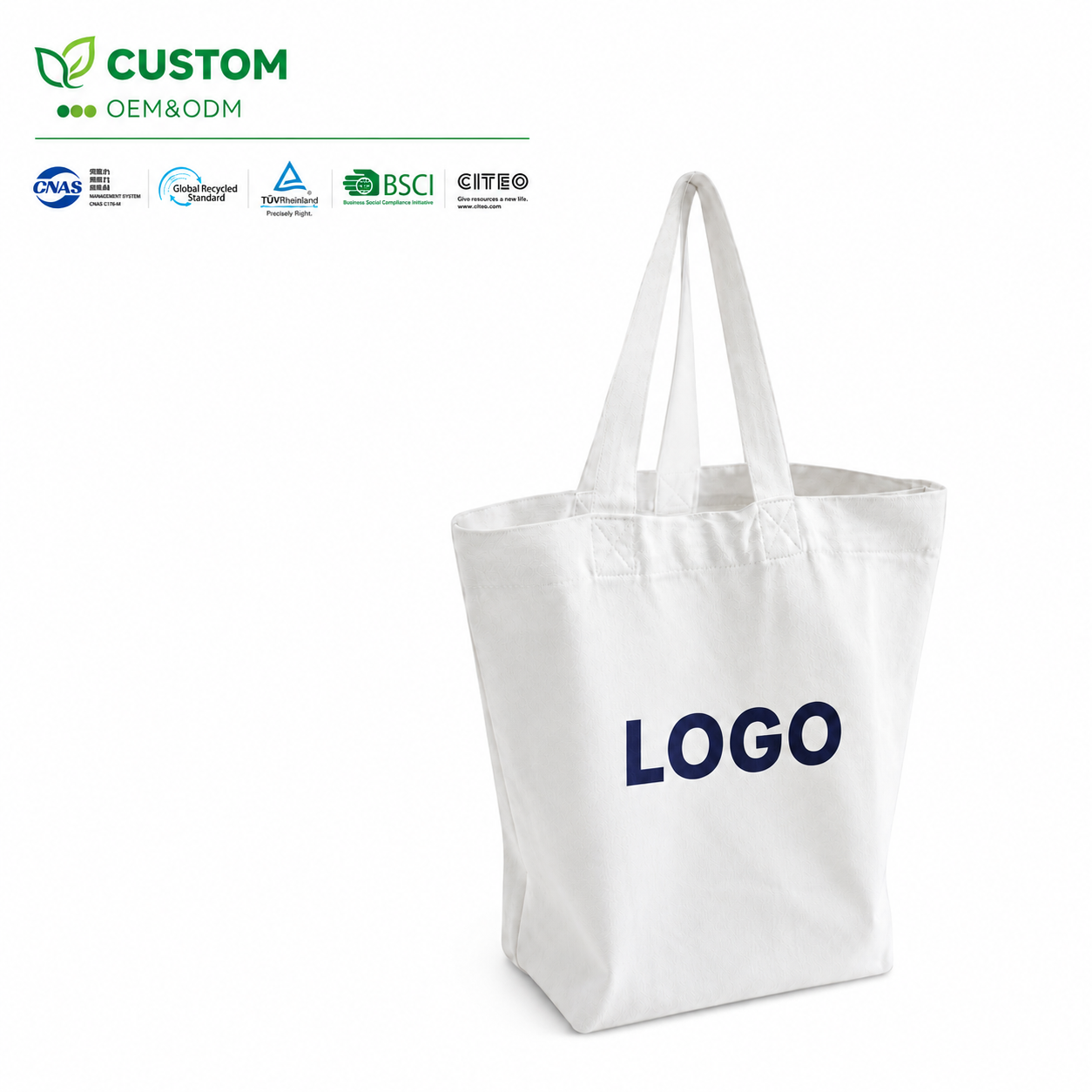
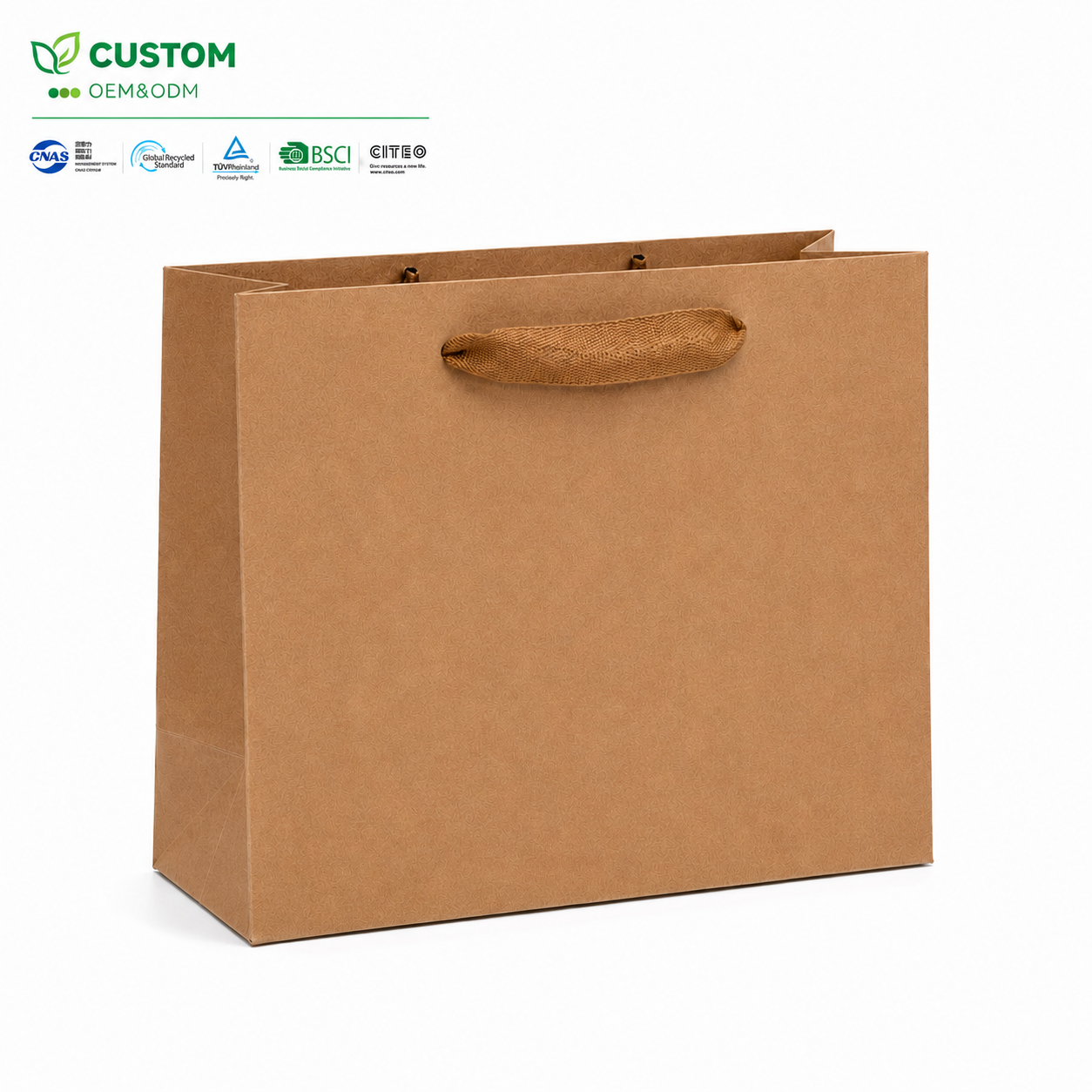
For retail stores, the customized carryout bag is not packaging. It is a mobile touchpoint that keeps working long after the transaction ends.
Marketing teams are trained to think in terms of cost per thousand impressions. A digital display ad might run in the range of several dollars per thousand impressions. A single customized bag that generates even 1,900 impressions at a unit cost of two or three dollars lands at a fraction of a cent per impression. That is not a rounding error. It is a different category of marketing economics.
| Channel | Typical Cost per 1,000 Impressions | Duration of Exposure | Requires Ongoing Spend |
|---|---|---|---|
| Digital display ad | $3 to $10 | Seconds per view | Yes, continuous |
| Social media post | $5 to $15 | Hours to days | Yes, per campaign |
| Printed flyer | $20 to $50 | Minutes to hours | Yes, per print run |
| Customized carryout bag | Under $0.50 | Months to years | No, one-time unit cost |
The table reflects general industry patterns rather than a specific campaign. The key structural difference is that the bag does not stop working when the budget stops. A digital ad disappears when the spend ends. A bag keeps circulating.
Not every customized bag earns a second life. The bags that customers keep and reuse share certain design characteristics. Industry surveys point to two dominant factors: an attractive design and a material that feels strong enough to trust. Bags that feel flimsy get tossed. Bags that look generic get left in the car.
Current design trends lean toward neutral colors, smaller centered or corner logo placement, and clean typography over large graphics. This is a shift away from the loud, all-over branding that dominated promotional bags a decade ago. The logic is straightforward: a bag that looks like something a person would choose to carry gets carried more often. A bag that looks like advertising gets treated like advertising.
Handle attachment method matters more than handle style. A reinforced sewn handle on a bag with a modest design will outlast a beautiful bag with a weak handle every time.
Material weight should match the expected load. A 60 GSM nonwoven bag may be fine for a boutique selling scarves. It will not survive repeated grocery trips.
Color choice affects perceived quality. Neutral tones age better and match more outfits and occasions.
Customized bags also simplify operations. When a store stocks a single bag format that works across most purchase scenarios, inventory management gets simpler. Staff do not need to guess between three bag sizes. The bag sits at the register, it fits the products, and it does not tear.
There is a secondary operational benefit: bag quality affects how staff feel about the checkout process. When a cashier knows the bag will hold, they pack more confidently and move faster. When they have to double-bag or worry about a handle snapping, checkout slows down and customers notice the hesitation.
The stores that see the clearest return on customized bags tend to share a few traits. They order in quantities that keep unit costs reasonable. They choose a design that prioritizes reusability over visual noise. And they treat the bag as part of the customer experience rather than a disposable cost line.
A retailer switching from a plain bag to a well-designed customized bag is not just changing what the customer carries out the door. They are changing what the customer sees on the kitchen counter, in the car, and on the way to the next errand. The bag becomes a quiet, persistent reminder that the store exists and that the last visit was pleasant enough to repeat.
For retailers ready to move past generic bags, working with a manufacturer that understands both design intent and production reality makes the process smoother. Huaqing Packaging brings nearly three decades of experience in printed packaging materials, with ISO 9001 quality management and production capacity that supports consistent output across large orders. That combination of design flexibility and manufacturing discipline is what keeps a customized bag program running without surprises.

Zhejiang HuaQing Package provides custom non woven bags, canvas bags and different kinds of bags for global brands. ISO900l and GRS-certified, 25+ years'experience, 5000+ clients. Request a quote today!
No. 2774-2936 Jianxing East Road, Lingxi Town, Cangnan County, Wenzhou City, Zhejiang Province,China
Copyright © 2026 By Zhejiang Huaqing Package Co.,Ltd Privacy Policy
 EN
EN
 Hot News