The numbers are striking. The global food service packaging market hit an estimated $134.2 billion in 2025 and is projected to reach $164.7 billion by 2030, growing at a compound annual rate of 4.18%. Within that, the sustainable foodservice packaging segment alone was valued at $65.73 billion in 2025, with an even faster CAGR of 6.12%.
What's driving this? Online food delivery has grown more than 20% over the last few years. Third-party platforms have made takeout accessible from virtually any restaurant. And as delivery volumes climb, so does the mountain of packaging waste left behind.
A 2025 consumer survey found that 49% of respondents consider the environmental impact of food packaging every time they order takeaway, with another 25% considering it occasionally. That's nearly three-quarters of the ordering public actively thinking about packaging sustainability. The same survey showed 44% of consumers prefer both recycled and compostable materials, while 23% want exclusively recycled packaging.
Governments aren't waiting for consumer sentiment to do the heavy lifting. The regulatory landscape for food packaging has tightened considerably in the past two years.
In the European Union, Commission Regulation (EU) 2025/351 introduced stricter purity standards for recycled plastics, tighter migration limits, and enhanced risk assessments for non-intentionally added substances. A ban on BPA in food contact materials took effect in January 2025. From 2027, the sale of food packaging with intentionally added PFAS will be prohibited entirely.
The U.S. FDA has also stepped up oversight, with enhanced post-market assessments and a new Prioritization Tool for reviewing chemicals in the food supply. Food contact materials must comply with migration limits under 21 CFR Parts 174–178, and supporting documentation is increasingly required for customs clearance.
China's GB 4806 series continues to evolve, with new adhesive standards taking effect in February 2025. Japan fully enforced its Positive List system for synthetic resins from June 2025.
For foodservice operators and packaging suppliers, this means one thing: sustainability isn't optional anymore. It's a regulatory requirement that carries real penalties for non-compliance.
Here's where the conversation gets practical. Sustainable packaging typically costs more than conventional alternatives. The materials cost more, supply chains are less established, and economies of scale haven't fully kicked in. A restaurant chain switching from polystyrene clamshells to molded fiber containers might see packaging costs increase 20 to 40 percent.
But the economics aren't that simple. A life cycle assessment study found that reusable containers must be used at least three to five times to surpass the environmental impact of single-use alternatives. Used only once, a reusable container has three times the global warming potential of a single-use one. With ten uses, that calculus flips dramatically.
For takeout operators, the question becomes: what's the right balance of sustainability, cost, and functionality for their specific business model? A high-volume QSR chain with millions of daily orders might prioritize compostable single-use options. A premium restaurant offering delivery might invest in a deposit-return reusable container program.
Five years ago, sustainable takeout packaging meant flimsy paper bags and cardboard boxes that collapsed when they got wet. That's no longer the case.
Bagasse—the fibrous residue left after sugarcane processing—has become a mainstream material for takeout containers. It's sturdy, microwave-safe, and composts in commercial facilities within 60 to 90 days. The global eco-friendly takeout container market was valued at $4.98 billion in 2024 and is forecast to reach $7.63 billion by 2031, growing at 6.3% annually.
Plant-based materials and paperboard alternatives are expanding rapidly. Molded fiber containers now hold up to hot soups and oily foods without leaking or softening. PE-coated paper containers have shown the lowest overall environmental impact among common takeout packaging types in quantitative assessments.
The challenge remains performance under real-world conditions. A takeout container that looks great in a lab test but leaks during a 30-minute bike delivery isn't actually sustainable—it's creating waste and a bad customer experience.
Speaking with packaging procurement managers at several regional QSR chains reveals a consistent set of priorities. First, the packaging must hold food securely from kitchen to customer. No leaks, no collapses, no temperature failures. Second, it needs to present the food well—branding matters, and soggy containers reflect poorly on the restaurant. Third, it should be as sustainable as possible without compromising the first two requirements.
A mid-sized pizza chain in the Pacific Northwest switched from plastic to compostable molded fiber boxes in 2024. The new boxes cost 18% more per unit. But the chain also saw a 12% increase in positive online reviews mentioning packaging quality, and three local municipalities offered waste disposal fee reductions for using certified compostable materials. The net financial impact was roughly neutral.
That kind of real-world outcome explains why adoption is accelerating. Sustainable packaging isn't just about doing the right thing—it's increasingly becoming good business.
Sustainable packaging doesn't have to look generic. In fact, the push for eco-friendly materials has opened up new branding opportunities. Custom printing on kraft paper, molded fiber, and bagasse containers is now widely available.
Fast food chains are paying more attention to brand image through packaging. A custom-printed sustainable container communicates values directly to the customer at the moment of consumption. It says something about the restaurant's priorities in a way that a plain white foam box never could.
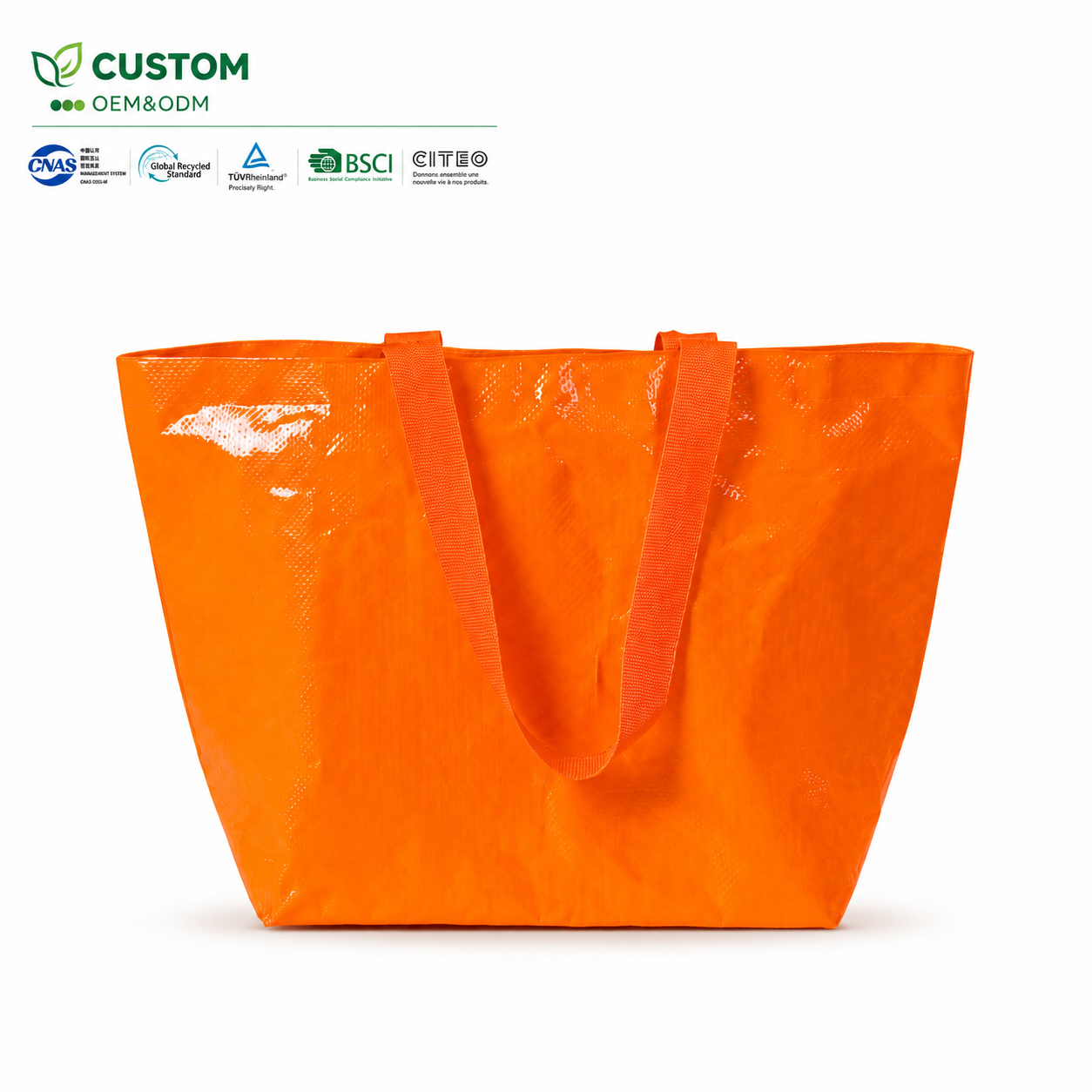
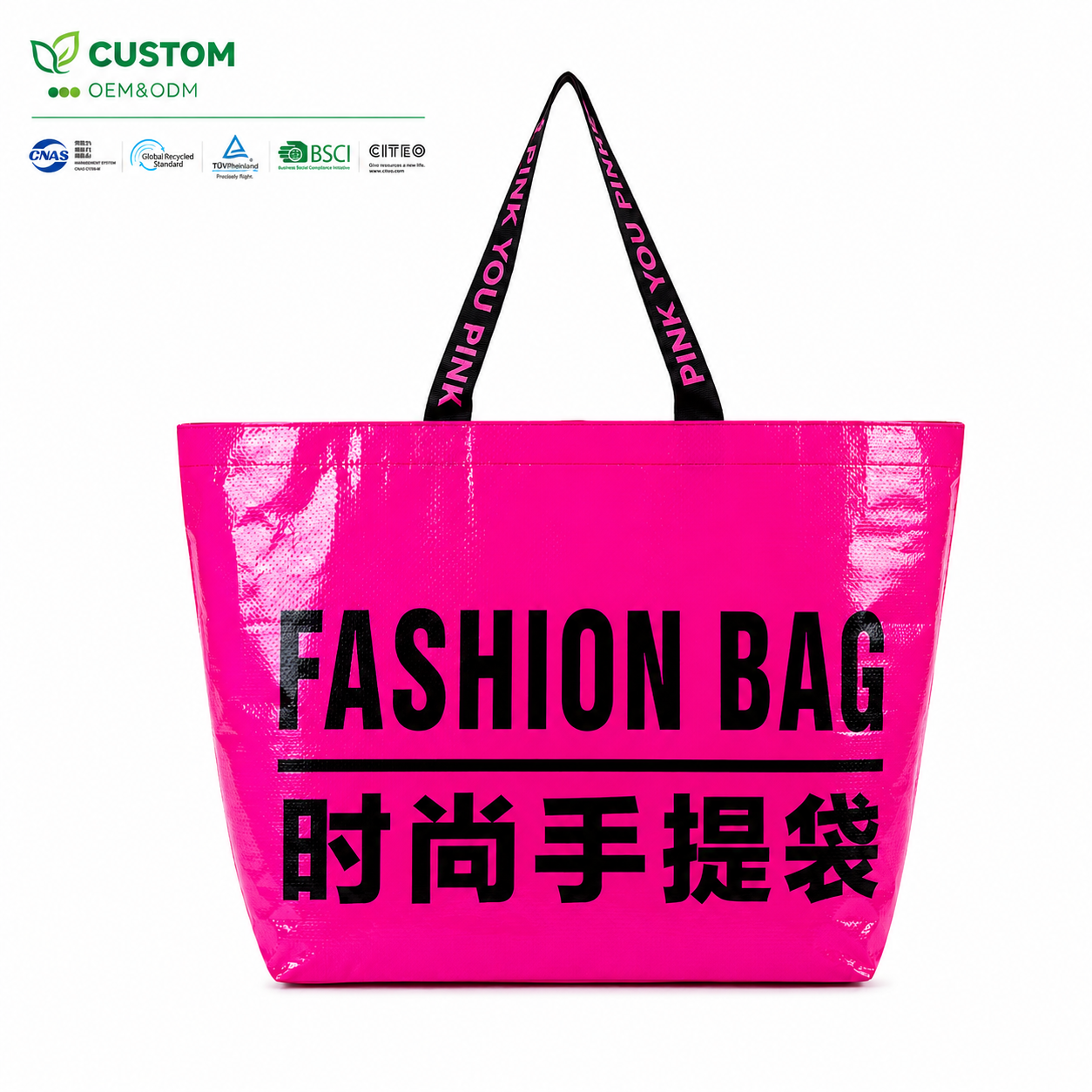
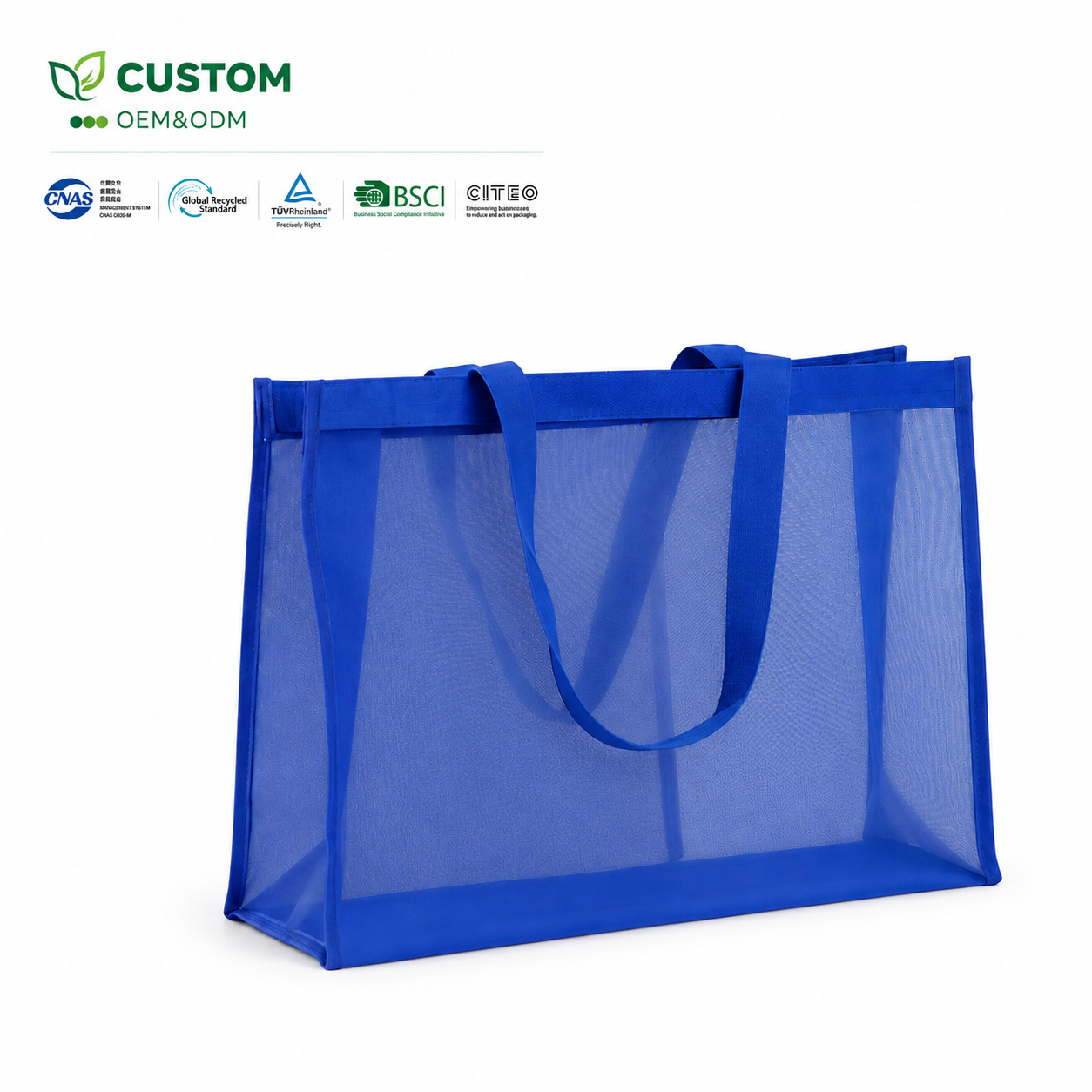
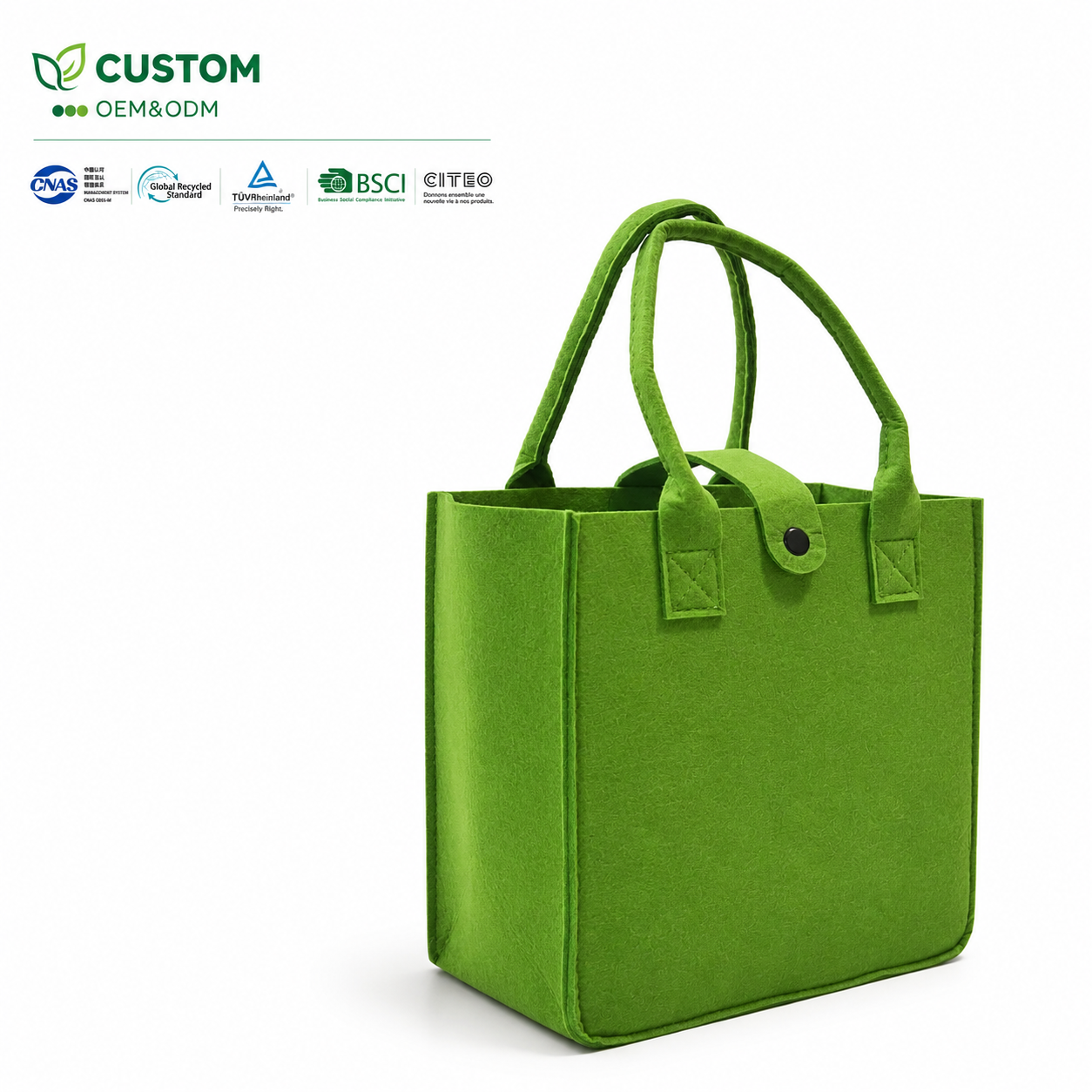
The customization trend extends to bags as well. PP woven tote bags, long used for retail and promotional purposes, are finding their way into foodservice as reusable delivery and takeout carriers. They're durable, washable, and provide a large printable surface for branding.
The growth rates tell a clear story. Sustainable segments are outpacing the broader market. That gap is likely to widen as regulations tighten and consumer expectations continue to shift.
For foodservice businesses considering a move toward more sustainable takeout packaging, a phased approach often works best. Start by auditing current packaging usage—what's being used, in what volumes, and where the biggest environmental impact lies. Replace the highest-volume items first. Test new materials in real delivery conditions before committing to large orders. And communicate the changes to customers; they're paying attention.
HQ Package supplies custom packaging solutions to foodservice operators across North America and Europe, with a product range that includes PP woven tote bags, paper carriers, and sustainable takeout containers. The manufacturing facilities maintain ISO 22000 and BRC certifications, ensuring food-contact compliance across multiple regulatory frameworks. For operators navigating the transition to sustainable packaging, having a supplier that understands both material science and regulatory requirements makes the process considerably smoother.

Zhejiang HuaQing Package provides custom non woven bags, canvas bags and different kinds of bags for global brands. ISO900l and GRS-certified, 25+ years'experience, 5000+ clients. Request a quote today!
No. 2774-2936 Jianxing East Road, Lingxi Town, Cangnan County, Wenzhou City, Zhejiang Province,China
Copyright © 2026 By Zhejiang Huaqing Package Co.,Ltd Privacy Policy
 EN
EN
 Hot News